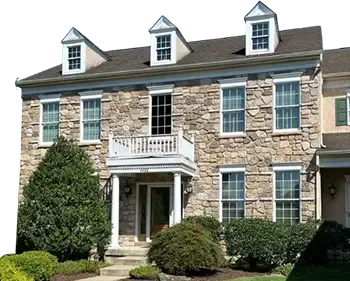

When Your Home's Exterior Is Telling You Something Is Wrong
Cracks, staining, failing cladding, and leaking windows are easy to notice. What is harder to see is what may be happening behind the exterior materials. This guide explains how cladding, flashing, window details, and moisture-management failures can affect underlying materials, and why understanding the condition matters before a remediation plan is developed.
Understanding the Problem
Exterior Failures Can Go Deeper Than the Surface
Homeowners usually notice the visible signs first: cracks, staining, leaking windows, or siding that no longer looks right. Those symptoms do not automatically prove there is hidden structural damage, but they can be a reason to look more closely.
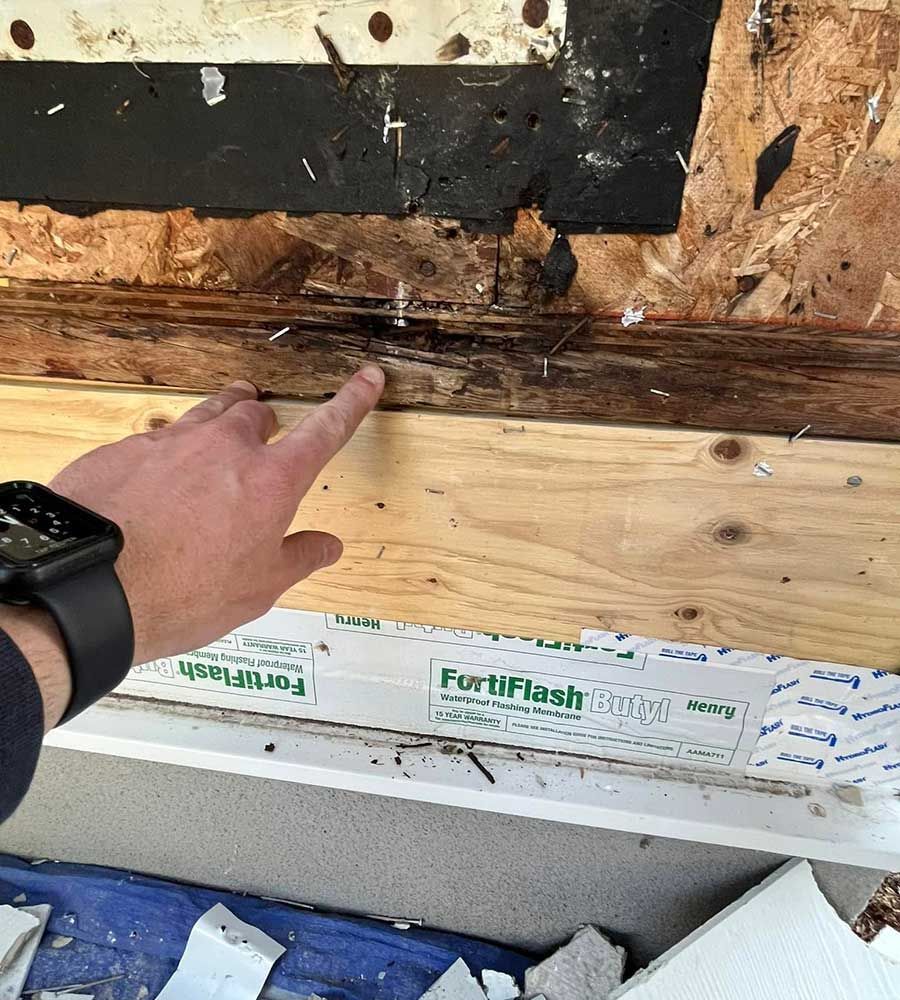
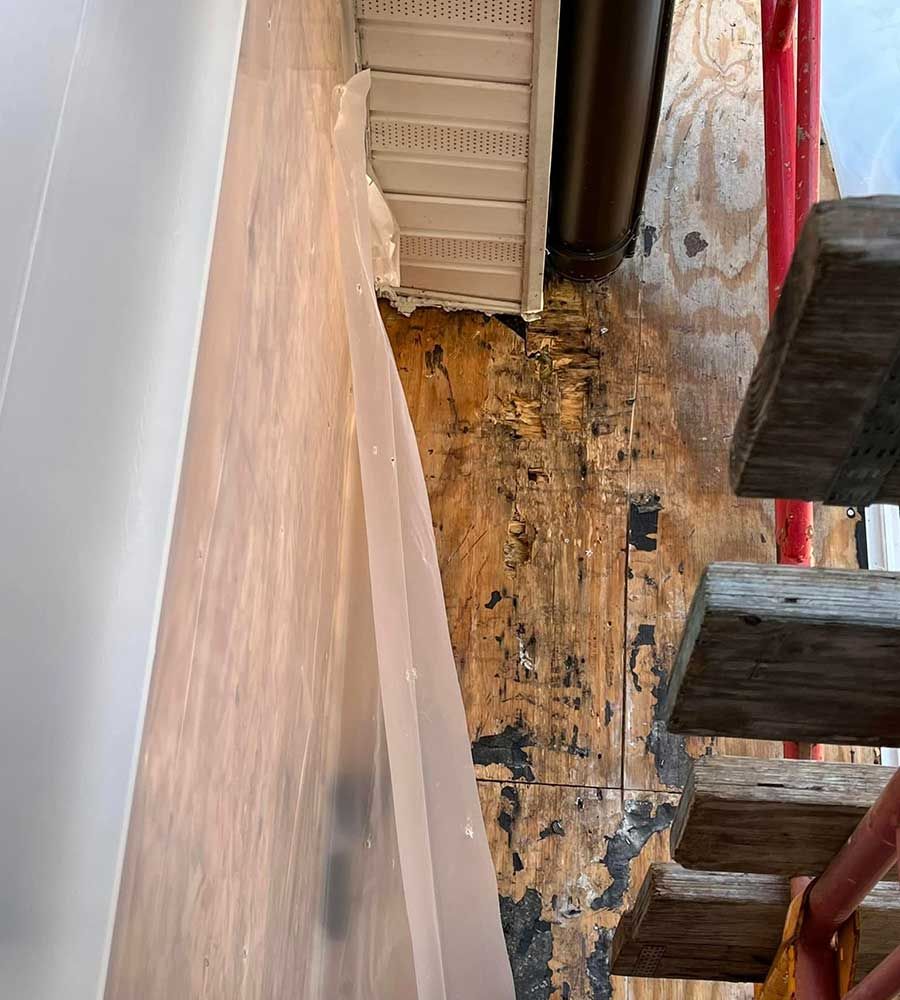
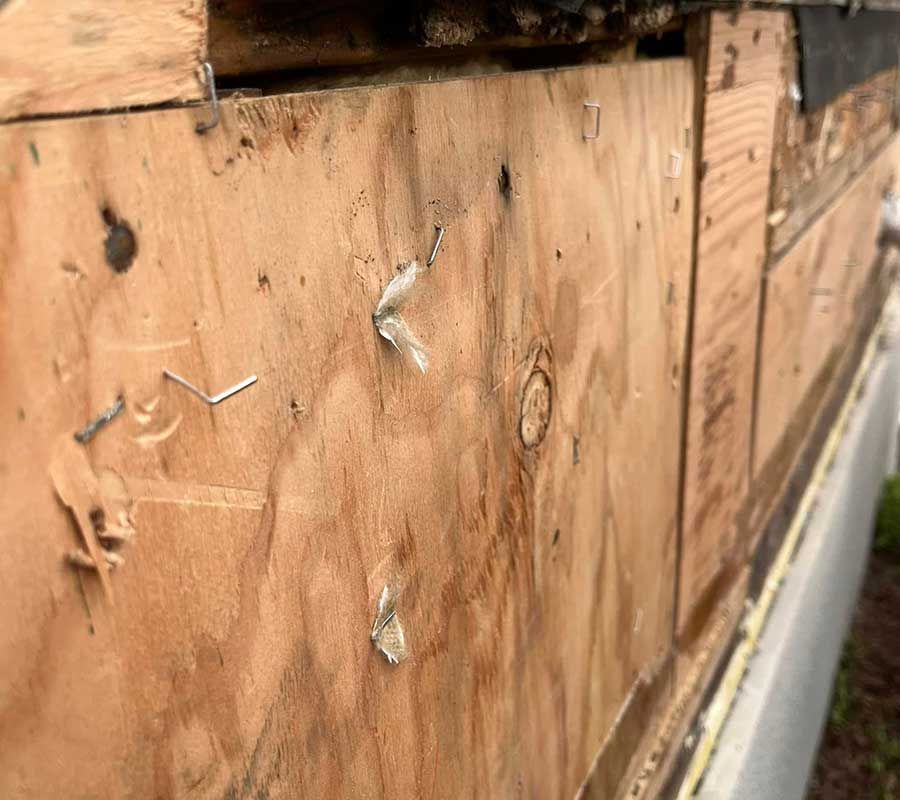
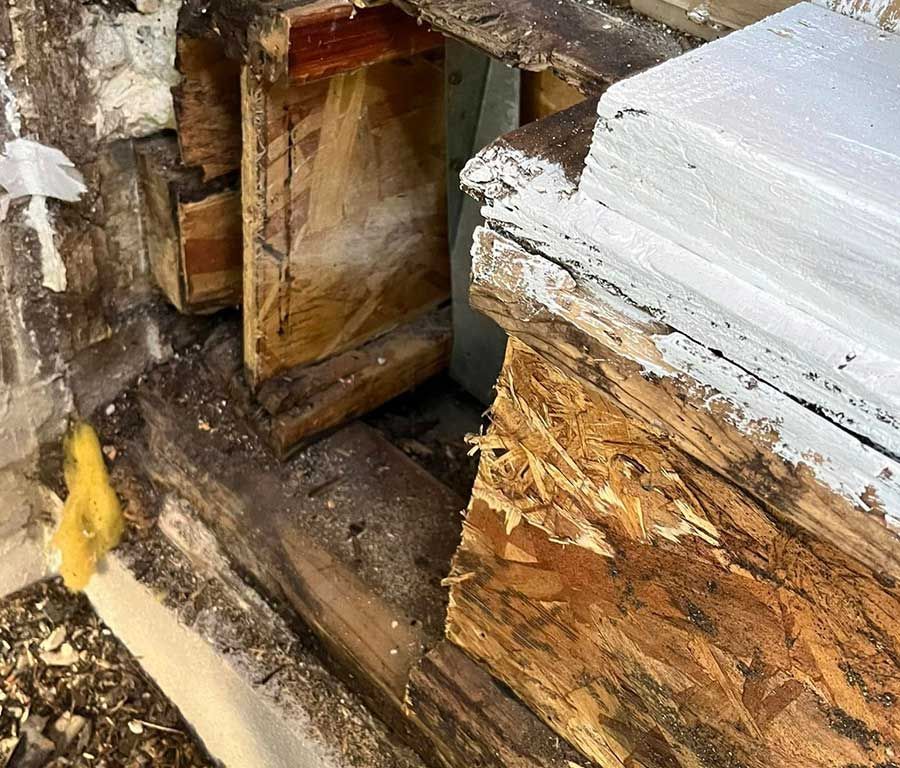
When water gets past exterior cladding, flashing, or other moisture-management details, it can reach the weather barrier, plywood or sheathing, framing, or insulation behind the finished surface. The extent of any damage depends on the conditions at the home.
That is why Sperrin Construction approaches exterior remediation by understanding what is actually present rather than assuming the visible symptom tells the whole story.
Common Failure Points
Where Exterior Systems Can Break Down
A home's exterior depends on cladding, flashing, weather barriers, drainage details, and window and door integration working together.
Problems with flashing or sill details can allow water to enter around windows and doors. Failed stucco or siding can expose the layers behind the cladding. Stone veneer and brick systems also rely on details such as grade clearance, flashing, drainage, and weep provisions where appropriate.
When one part of the system is not performing correctly, moisture may reach materials that were never intended for direct exposure to water.
Something Worth Knowing
Newer Homes Can Have Exterior Failures Too
Exterior failures are not limited to older homes. Sperrin Construction has encountered serious exterior-system problems on relatively new homes, including builder warranty-related work and an example involving a home only about a year old.
That does not mean newer homes are generally at risk. It means the age of the home alone cannot tell you whether a visible exterior problem is only cosmetic. If something looks wrong, it is worth understanding what may be happening behind the surface.
What Comes Next
How We Approach a Potential Exterior Failure
We start by walking the property, looking at what is visible, and talking through what the homeowner has noticed.
If the project requires exterior materials to be removed, the exposed conditions guide what happens next. When damaged sheathing, framing, insulation, or other components are found, those conditions can be addressed before the exterior is rebuilt. Weather barriers, flashing, window and door integration, and the final cladding are handled as parts of the same exterior system.
The goal is to address the conditions that are actually present, not assume every project requires the same scope.